
 Home care store


Help improve your quality of life
using the same products nurses trust

Subscribe and save on the products you need most
10% off recurring orders (skip or cancel anytime)
LEARN MORE
Care with confidence
using hospital-quality products
We’re driven to make healthcare better for you
We are Stryker - a global medical leader in the healthcare industry. We manufacture products that improve care in every area of the hospital and beyond – including your home. Because we’re focused on improving healthcare for everyone.
As a home caregiver, we believe you should have access to the same trusted products nurses use to treat their patients. You can be certain that all our products meet FDA standards, rigorous testing protocols, and are backed by positive results.1
Shop home care supplies

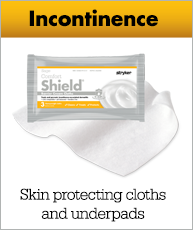

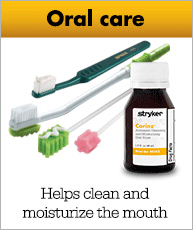


Care with confidence
We understand the challenges and cherished rewards of caregiving and we know you want to provide the best possible care. Whether you’ve just gotten out of the hospital or you’ve been managing care for someone at home for a while, we’re here for you. When you contact us, you’ll always speak to a real person. Our exceptional Customer Service team will give you the support you need to provide care with confidence.
To us, it’s personal
Having hospital-quality products at home can make all the difference. Our customers tell us all the time with more than 1,000 5-star reviews.

I'm plagued by incontinence and want to be able to clean, deodorize and moisturize myself. These Shield cloths are large, thick, very moist, and have a pleasant scent.
They are so much better than the little thin ones. I am 100% satisfied and will be purchasing more.
–Wendy,
Comfort Shield

Super easy way to bathe my 81 year old mother with mobility issues! 8 cloths in a pack makes a complete bath exceptionally easy to do.
Great buy and best of all there is no clean-up-just throw them away. Will be purchasing more!
–Betty,
Comfort Bath
I'm a retired ICU nurse, so when my elderly mother became bedbound, I knew where to go to get the things I needed to care for her.
My mom loves them, her caregiver loves them, and I knew they would because I loved them for years.
–Martha,
Shampoo Cap

Free shipping
All orders over $50
ship free.

Subscription savings
10% off
all repeat orders

Excellent service
We'd love to help.
Call our support team today.

Email signup
Receive special offers
and promotions.
Top sellers


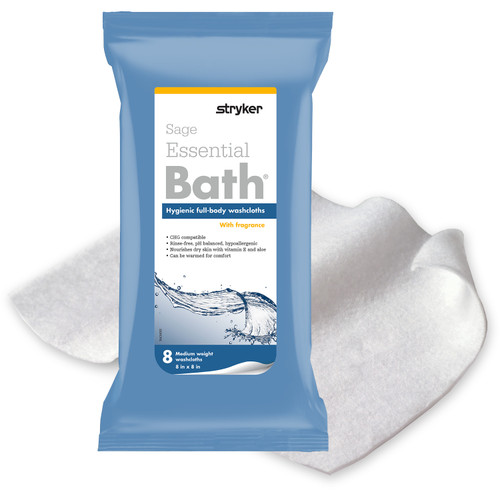
Reference: 1. Data on file, Sage Products, LLC. Product Evaluations PowerBI accessed July 5, 2022.
28606C